What to Expect at a Japanese Sushi Counter (A First-Timer's Complete Guide)
 テラナカショウタ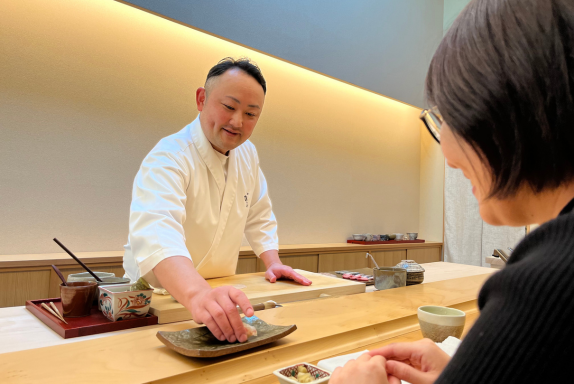
You've dreamed about it. Sitting right in front of a Japanese sushi master, watching his hands move with effortless precision, a perfect piece of nigiri appearing before you like a gift.
But if you've never done it before, the sushi counter can feel a little intimidating. What do you say? What do you eat first? Is there an etiquette you might accidentally break?
Here's the truth: **there is nothing to be afraid of.** The sushi counter is one of the most welcoming, personal, and extraordinary dining experiences Japan has to offer—if you know what to expect going in.
This guide will walk you through everything, from the moment you sit down to the final bite. By the end, you'll feel ready, excited, and truly prepared to enjoy one of Japan's greatest culinary traditions.
【Chapter 1】The Counter Itself — Why This Seat is So Special
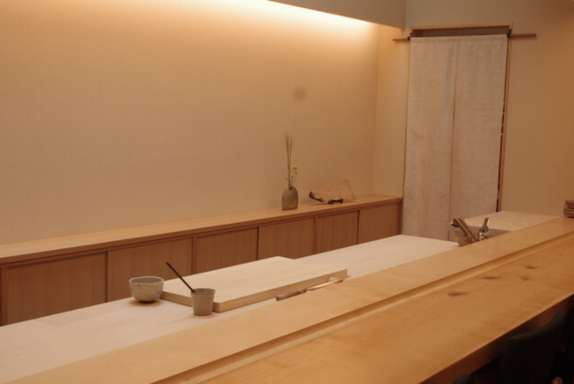
In Japan, the sushi counter (*sushi-ya no kauntā*) is unlike any other seat in any other restaurant in the world. It's not just a place to eat—it's a stage.
On one side stands the chef, his knives, his rice, and the day's finest fish. On the other side sits you. There is no wall between you, no menu barrier, no distance. It is an intimate, direct conversation between craftsman and guest.
This is why serious sushi lovers travel thousands of miles for the experience. You are not just ordering food. You are witnessing—and participating in—a living art form.
What you'll typically see behind the counter
・The shari-oke (wooden tub) where the seasoned rice rests at body temperature
・Glass cases displaying the day's fish selections, often with their names labeled in Japanese
・The chef's knives, each with a specific purpose, maintained with almost ritual care
・A small wooden block (manaita) where the precise cuts are made, right in front of you
Pro Tip —
When you sit down, it's perfectly fine to simply say "Omakase onegaishimasu" (お任せお願いします), meaning "I'll leave it up to you." It's not just acceptable—it's the highest compliment you can give a sushi master.
【Chapter 2】Omakase — The Art of Trusting the Chef
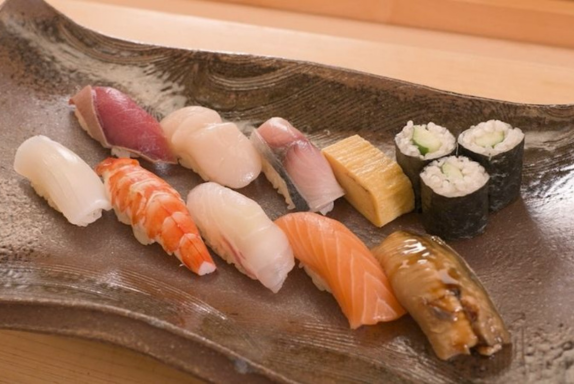
You may have heard the word omakase before. But what does it actually mean?
Literally, omakase translates to "I leave it to you." In practice, it means you are placing complete trust in the chef to design your meal—the selection of fish, the order of courses, the pacing, and the presentation. No menu. No decisions. Just an unfolding story, told through food.
This is how sushi was traditionally meant to be enjoyed.
The chef will begin with lighter, more delicate flavors—perhaps a clean white fish like hirame (flounder)—before moving toward richer, fattier selections like toro (fatty tuna) or a piece of perfectly zuke-marinated fish. Each piece arrives one or two at a time, and you are expected to eat it immediately while it is at the perfect temperature.
The natural flow of an omakase course
1,Lighter white fish — clean and subtle, to awaken the palate
2,Shellfish — sweet and delicate, often hotate (scallop) or ika (squid)
3,Silver-skinned fish — such as kohada (gizzard shad) or saba (mackerel), showing the Edomae curing technique
4,Red fish and tuna — the heart of any great omakase
5,Rich, fatty cuts — otoro, uni (sea urchin), ikura (salmon roe)
6,Rolled sushi or tamago — the traditional conclusion
Pro Tip —
If you have any dietary restrictions or allergies, tell the chef at the very beginning. Great chefs are incredibly accommodating. And don't worry—you are always allowed to politely say "no thank you" to a particular ingredient.
【Chapter 3】Sushi Etiquette — The Do's and Don'ts (Without the Stress)
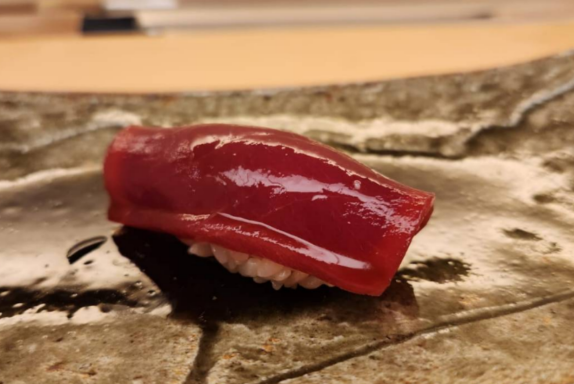
Here is the big secret that most guides won't tell youー
there are no rules that will ruin your meal.
A great sushi chef wants you to enjoy yourself. That said, knowing a few customs will make the experience feel natural and even more special.
✅Do's
- Eat with your hands. This surprises many people, but eating nigiri sushi with your fingers is not only acceptable—it's actually the traditional way. Your hands allow you to feel the perfect temperature and texture of the rice without disturbing the delicate balance of the piece.
- Eat each piece in one bite (or two, cleanly). Sushi is designed to be a single, unified flavor experience. Each piece is crafted so that the ratio of fish to rice is perfect in one bite. Don't put a half-eaten piece of sushi back on the plate.
- Dip the fish side into soy sauce, not the rice. The rice will absorb too much soy sauce and fall apart. Gently tip the nigiri, fish-side down, for a brief touch of soy. Many premium pieces have already been seasoned by the chef and need no additional soy at all—follow the chef's lead.
- Drink your miso soup in-between. It's a palate cleanser, just like the slices of pickled ginger (gari). The ginger isn't a topping—it's meant to be eaten between pieces to refresh your palate.
✖Don'ts
- Don't mix wasabi directly into your soy sauce. At a premium counter, the chef has already placed the perfect amount of wasabi between the fish and the rice. Adding more from the side is considered unnecessary (though no one will say anything if you do).
- Don't rush. There is no need to finish quickly. Enjoy the pace set by the chef. Look around. Talk quietly. Ask questions—chefs love guests who are curious.
- Don't be afraid to ask. If you don't know what a fish is, ask. "What is this?" said with a smile is always welcome.
【Chapter 4】How to Talk to the Chef — Starting a Conversation
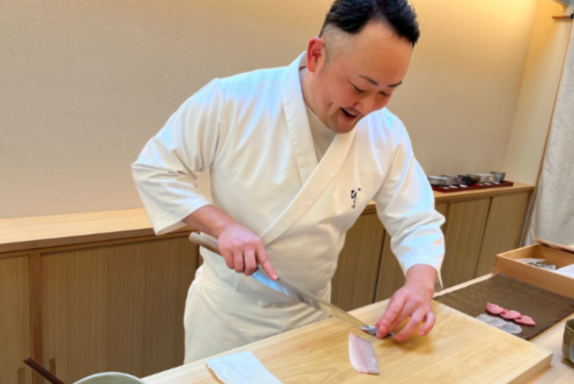
One of the great joys of the sushi counter is the connection you can build with the chef. Unlike a restaurant where a waiter takes your order and disappears, here, the person making your food is right in front of you, for the entire meal.
You don't need to speak Japanese to have a meaningful exchange. Here are a few simple phrases and questions that any sushi chef will genuinely appreciateー
| What to Say | Japanese | Meaning |
| "This is delicious." | Oishii desu! (おいしいです!) | Simple, sincere, always welcome |
| "What is this fish?" | Kore wa nan desu ka? (これは何ですか?) | Shows curiosity and respect |
| "Thank you for the meal." | Gochisōsama deshita (ごちそうさまでした) | Said at the end of the meal |
| "It was wonderful." | Totemo yokatta desu (とても良かったです) | The chef will genuinely smile |
A true sushi master takes quiet pride in their craft. Showing genuine interest and appreciation—even through body language and a smile—creates a moment of real human connection that you will remember long after the meal is over.
Pro Tip —
The best question you can ask is simply: "What is your favorite piece today?" or "What fish is especially good right now?" This invites the chef to share their passion, and the answer is almost always the best thing you'll eat.
【Chapter 5】What Makes a Sushi Counter Experience Truly Unforgettable
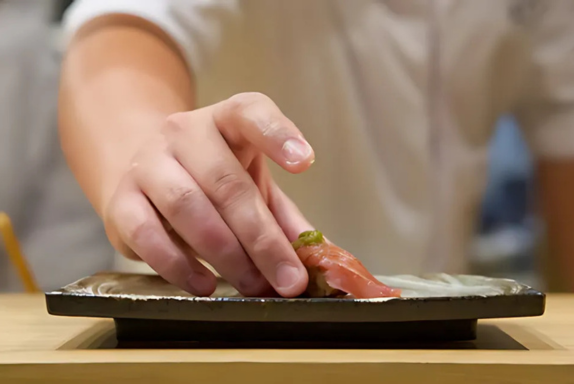
After reading all of this, you might be thinking: "I want to try this, but I still feel nervous about doing it for the first time in a real restaurant."
That feeling is completely natural. And it's exactly why a guided sushi counter experience—where you are welcome to ask every question, touch the rice, and learn by doing—is the perfect first step.
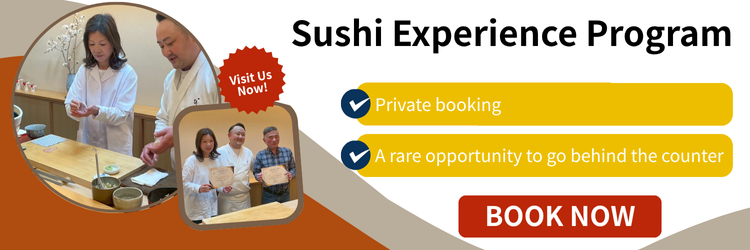
At FUKUOKA WASHOKU SCHOOL, our program is specifically designed for people who want to go behind the counter for the very first time.
Here, there's no pressure, no awkward silences, and no fear of making a mistake.
Our instructor, Mr. Taichi Hirano, guides you personally through every step—from understanding the philosophy of shari (sushi rice), to forming your first nigiri, to tasting a complete omakase course prepared at the highest level.
By the time you leave, the sushi counter will never feel intimidating again. It will feel like home.
【Conclusion】Your Seat at the Counter is Waiting

The sushi counter is one of Japan's greatest gifts to the world—a place where food, craft, conversation, and culture come together in one extraordinary experience.
Now you know what to expect. You know how to eat, how to talk, and how to truly appreciate what is placed before you. All that's left is to take your seat.
Ready to experience the sushi counter for yourself—not just as a diner, but as someone who truly understands it?
Our exclusive sushi experience program in Dazaifu, Fukuoka, is the perfect place to begin. Seats are limited to ensure a personal, high-quality experience for every guest.
- For the Aspiring Professional -
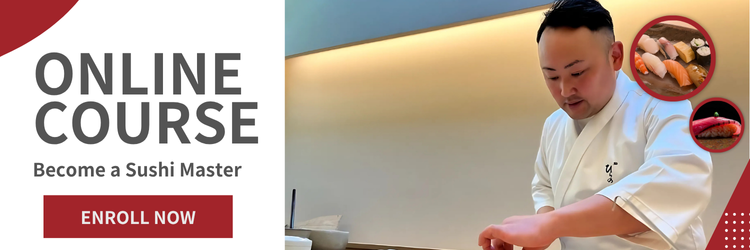
Our comprehensive Online Sushi Masterclass is designed to give you the skills and deep knowledge to become a true sushi artisan, all under the guidance of a master chef.
- For the Curious Traveler -
If you're visiting Fukuoka, don't just eat sushi—experience it. Join our exclusive Sushi Making Experience in historic Dazaifu for an unforgettable, hands-on cultural.